Us economy breaking news: what you need to know

The US economy is influenced by key indicators such as GDP, inflation, unemployment rates, and government policies, which shape consumer behavior and business strategies amid changing conditions.
Us economy breaking news is crucial for anyone looking to stay ahead in today’s fast-paced financial landscape. As changes unfold, understanding their implications can be the key to making informed decisions. Let’s dive into what’s happening and why it matters to you.
Understanding the current state of the us economy
Understanding the current state of the us economy requires looking at key factors that shape its landscape. Economic growth, employment rates, and consumer spending are crucial indicators that help us gauge its health. Analyzing these factors can reveal important trends affecting everyday life.
Economic Growth Trends
Recently, the us economy has experienced fluctuations in growth rates. These changes can be attributed to various influences such as global events and domestic policies. Tracking these trends is vital for forecasting potential outcomes.
Employment Rates
Another significant aspect is the employment rate. More jobs often equal stronger consumer confidence. As more people find work, they tend to spend more, which positively affects the economy. However, a high unemployment rate can signal economic distress.
- Increased job opportunities stimulate spending.
- Low unemployment rates can boost economic growth.
- Job sectors vary significantly in recovery speed.
On the flip side, job losses in key industries can slow down recovery efforts. Thus, maintaining a balance is crucial. Understanding shifts in employment can provide insight into broader economic shifts.
Consumer Spending
Finally, consumer spending is a major component of the economy. When consumers feel confident, they spend more, driving growth. Changes in spending habits can mirror the overall economic sentiment.
Observing patterns in consumer behavior can indicate potential changes ahead. If spending drops, it may suggest worries about future economic stability. This cycle of confidence and spending directly impacts economic performance.
In summary, grappling with the complexities of the us economy reveals important insights. The interaction between economic growth, employment, and consumer spending shapes the financial future. Being well-informed about these elements can help individuals and businesses prepare for changes that lie ahead.
Key indicators to watch for economic shifts
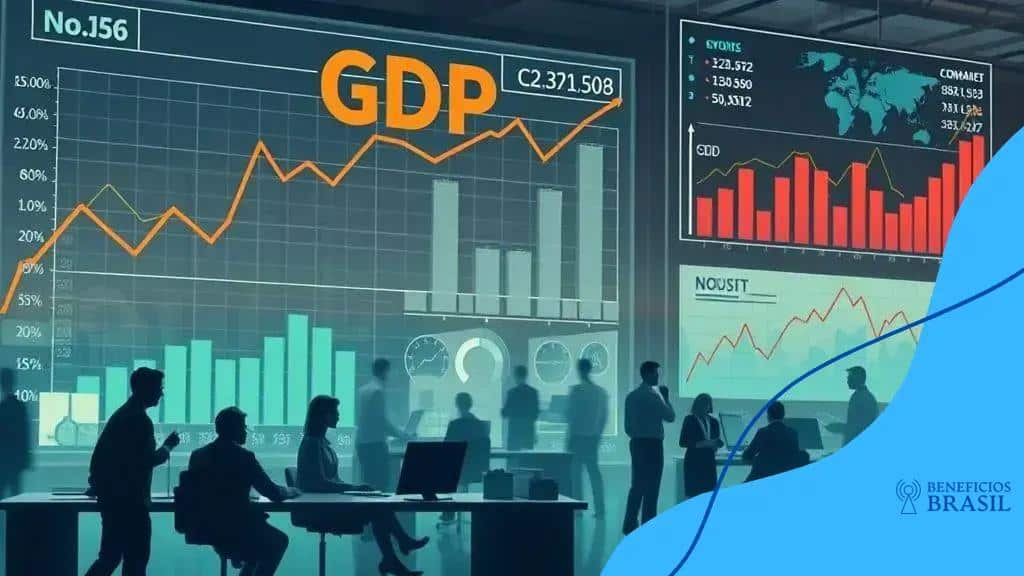
When analyzing the us economy, it’s crucial to focus on key indicators that signal economic shifts. These indicators help us understand the current state and predict future changes. Keeping an eye on these metrics is essential for making informed decisions.
Gross Domestic Product (GDP)
The GDP is one of the primary indicators of economic health. It measures the total value of goods and services produced in a country. A growing GDP often means a thriving economy, while a decreasing GDP can indicate problems ahead.
Unemployment Rate
The unemployment rate represents the percentage of people looking for jobs but unable to find work. A high unemployment rate can signal economic struggles, while low unemployment suggests a healthy job market. Tracking this rate can give insight into overall economic performance.
- High unemployment can lead to reduced consumer spending.
- Low unemployment often correlates with economic growth.
- Sector-specific job losses can indicate wider economic issues.
Another vital indicator is inflation. Inflation measures how much prices for goods and services rise over time. Moderate inflation is normal, but high inflation can erode purchasing power and unsettle economic stability. Keeping an eye on inflation rates helps understand how costs affect consumers and businesses.
Consumer Confidence Index (CCI)
The Consumer Confidence Index reflects how optimistic consumers feel about the economy. Higher confidence often leads to increased spending. When consumers are positive, it typically boosts economic activity, fueling growth further.
Each of these indicators provides unique insights into the economic landscape. By monitoring them closely, individuals and businesses can better prepare for potential shifts in the us economy. Identifying patterns in these metrics can aid in strategic planning and decision-making.
Impacts of inflation on consumers and businesses
The impacts of inflation on consumers and businesses can be profound. When prices rise, people often find it harder to afford the same goods and services they previously purchased. This change can affect daily life and alter spending habits.
Effects on Consumers
Inflation reduces purchasing power, meaning that consumers get less for their money. When basic necessities like food and fuel cost more, individuals might need to make tough choices about where to spend. This can lead to a shift in consumer behavior.
- Increase in demand for discounts and sales.
- Shift towards lower-cost alternatives.
- Higher stress levels related to financial management.
As consumers adjust to rising costs, they become more budget-conscious. This change can significantly impact what they buy and how much they are willing to spend.
Effects on Businesses
For businesses, inflation can lead to increased operational costs. Companies may face higher prices for raw materials, labor, and transportation. These rising costs can squeeze profit margins and compel businesses to make critical decisions.
Some businesses might raise prices to protect their margins. However, if prices rise too much, they risk losing customers who are now looking for better deals elsewhere. Finding the right balance is essential.
- Increased operational costs can erode profits.
- Price increases may deter some customers.
- Businesses may need to adjust their marketing strategies.
Inflation also makes long-term planning more challenging. Companies must consider how price changes can impact their market position. Staying informed about inflation trends helps businesses navigate their strategies effectively.
In summary, the impacts of inflation are far-reaching, affecting consumers’ purchasing habits and businesses’ operational strategies. Understanding these effects can help both parties prepare better for economic changes.
How policy changes are influencing the economy
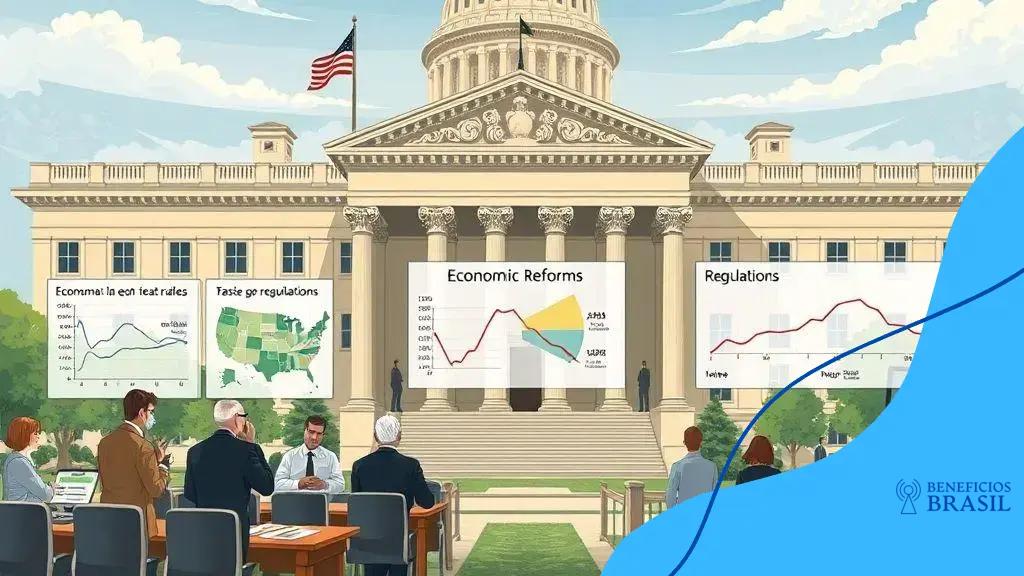
Policy changes play a vital role in shaping the economy. When governments adjust regulations, taxes, or spending, they can significantly impact economic growth and stability. Understanding these changes helps individuals and businesses prepare for the future.
Tax Reforms
One major factor is tax reform. Changes in tax rates can influence consumer and business behavior. Lower taxes often encourage spending and investing, while higher taxes might lead to reduced disposable income for consumers. Companies may also adjust their strategies based on shifts in corporate tax rates.
- Lower taxes can boost consumer spending.
- Higher corporate taxes might slow down business investments.
- Tax credits can incentivize specific industries.
This dynamic can lead to various responses in the market, shaping overall economic trends.
Regulatory Changes
Regulations also have a profound impact on businesses. Stricter regulations may increase operational costs, compelling companies to adapt by raising prices or streamlining processes. Conversely, more relaxed regulations can create opportunities for growth and innovation.
When regulations change, businesses must quickly adapt to remain competitive. They might invest in new technologies or alter their business models to comply effectively. Understanding these adjustments can help predict market outcomes.
- Increased regulations may lead to higher prices for consumers.
- Relaxed regulations can foster innovation and competition.
- Compliance costs can strain smaller businesses disproportionately.
The government’s spending policies also affect economic activity. Increased public spending can stimulate demand, leading to economic growth. However, excessive spending can lead to inflation if not managed properly. Balancing spending and fiscal responsibility is crucial for sustainable economic health.
In summary, the way policy changes influence the economy is complex and far-reaching. By monitoring tax reforms, regulatory adjustments, and spending policies, individuals and businesses can better navigate economic shifts and make informed decisions.
Future predictions for the us economy
Future predictions for the us economy are always a topic of interest and concern. Economists use various indicators to forecast economic trends. While no prediction is guaranteed, certain patterns can help give a clearer picture of what lies ahead.
Economic Growth Projections
One critical factor to consider is the anticipated economic growth rate. Experts analyze past performance to estimate future growth. A slower growth rate may indicate challenges, while a robust outlook suggests a healthy economy.
- Projected GDP growth can signal economic health.
- Industry-specific growth rates may vary widely.
- Emerging markets can influence overall economic trends.
Monitoring these trends can help gauge where the economy might be headed. Analysts often revise their forecasts based on changing conditions, including reactions to policy changes and unforeseen events.
Inflation and Interest Rates
Inflation rates also affect predictions. High inflation can lead to higher interest rates as the Federal Reserve attempts to control rising prices. It’s crucial for consumers and businesses to understand how changes in interest rates can impact borrowing costs.
As interest rates rise, consumers might cut back on spending, which can slow growth. Conversely, stable inflation with lower rates usually encourages spending and investment.
- Rising interest rates could slow economic activity.
- Stable inflation rates help maintain consumer confidence.
- Global factors can influence national inflation trends.
Additionally, labor market trends will be key. Improvements in employment often correlate with stronger spending, positively affecting growth estimates. However, rapid changes in the job market can also create uncertainty.
While future predictions for the us economy are based on current data and trends, it’s essential to remain adaptable. The economy can change due to many factors, including global events, technological advances, and shifts in consumer behavior.
FAQ – Frequently Asked Questions about the US Economy
What are the key indicators of the US economy?
Key indicators include GDP growth, unemployment rates, inflation rates, and consumer confidence which provide insights into economic health.
How does inflation affect consumers?
Inflation reduces purchasing power, making it harder for consumers to afford goods and services, often leading to changes in spending habits.
What role do government policies play in the economy?
Government policies, including tax reforms and regulations, can significantly influence economic growth, business activities, and consumer behavior.
How can I stay informed about economic changes?
Follow financial news, subscribe to economic reports, and monitor trends in key economic indicators to stay updated on changes that may affect you.
Autor