Enroll in 2025 Medicare Advantage Plans Before December 7th Deadline

The annual enrollment period for 2025 Medicare Advantage plans is a critical window, with the final deadline looming on December 7th, urging beneficiaries to review and select optimal coverage.
The clock is ticking for those considering their healthcare options for the upcoming year. Understanding the importance of Time-Sensitive: Enrolling in 2025 Medicare Advantage Plans Before the December 7th Deadline is paramount to securing comprehensive coverage tailored to your needs. This period is your annual opportunity to make crucial decisions about your health insurance, impacting your access to care and out-of-pocket costs for the entire year.
Understanding Medicare Advantage Plans for 2025
Medicare Advantage, also known as Medicare Part C, offers an alternative way to receive your Medicare benefits. These plans are offered by private companies approved by Medicare and must cover all the services that Original Medicare (Part A and Part B) covers. Many also include extra benefits not covered by Original Medicare, such as vision, hearing, dental, and prescription drug coverage (Part D).
For 2025, these plans continue to evolve, often providing integrated care and additional wellness programs. It’s crucial not to simply re-enroll in your current plan without a thorough review. Your health needs, financial situation, and available plans in your area may have changed, making a different plan a better fit.
Key Components of Medicare Advantage
Medicare Advantage plans combine various parts of Medicare into one convenient package. These plans are designed to simplify healthcare management for beneficiaries while often providing enhanced benefits.
- Part A (Hospital Insurance): Covers inpatient hospital stays, skilled nursing facility care, hospice care, and some home health care.
- Part B (Medical Insurance): Covers certain doctors’ services, outpatient care, medical supplies, and preventive services.
- Part D (Prescription Drug Coverage): Most Medicare Advantage plans include prescription drug coverage, eliminating the need for a separate Part D plan.
- Additional Benefits: Many plans offer extra services like fitness programs, transportation to appointments, and even healthy food allowances.
The comprehensive nature of Medicare Advantage plans makes them an attractive option for many. However, understanding the nuances of each plan type and ensuring it aligns with your specific health requirements is essential before the December 7th deadline.
Why the December 7th Deadline is Non-Negotiable
The Annual Enrollment Period (AEP) for Medicare runs from October 15th to December 7th each year. This is the primary time when Medicare beneficiaries can make changes to their Medicare health and prescription drug coverage for the upcoming year. Missing this deadline can have significant consequences, potentially leaving you with inadequate coverage or a plan that no longer meets your needs.
Once December 7th passes, your opportunity to switch plans or enroll in a new one is severely limited. While there are some Special Enrollment Periods (SEPs) for specific circumstances, such as moving to a new service area or qualifying for Extra Help, these are not universal. Relying on an SEP is not a strategy; proactive engagement during the AEP is key.
Consequences of Missing the Deadline
Failing to act by December 7th can lead to several undesirable outcomes. Your current plan, if you have one, will typically renew for the next year. If that plan has changed its benefits, costs, or provider network, you might find yourself in a less favorable situation. Without making a selection, you might miss out on plans that offer better benefits, lower premiums, or more suitable provider access.
- Automatic Renewal: Your current plan usually rolls over, even if it’s no longer ideal.
- Lost Opportunity: You miss the chance to compare and select a plan that better fits your 2025 health needs.
- Limited Options: Changes after December 7th are restricted to specific Special Enrollment Periods.
- Potentially Higher Costs: Remaining in an unsuitable plan could lead to increased out-of-pocket expenses for prescriptions or services.
Therefore, treating the December 7th deadline with the seriousness it deserves is vital. It’s not just a date on a calendar; it’s a gateway to your healthcare security for the next year.
Navigating Your Medicare Advantage Options
Choosing a Medicare Advantage plan involves careful consideration of several factors. With numerous plans available, each with its own set of benefits, costs, and restrictions, the process can feel overwhelming. However, breaking it down into manageable steps can help ensure you make an informed decision.
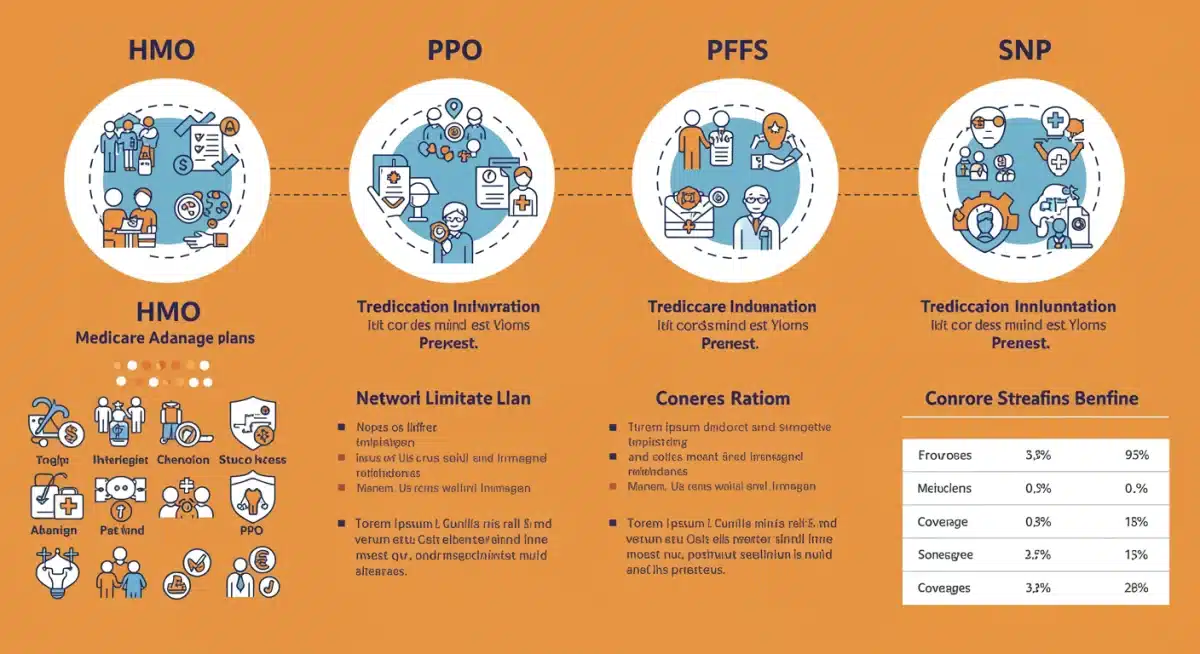
Start by assessing your current health status and anticipated medical needs for 2025. Do you expect to need specific specialists? Are you taking new medications? Understanding these personal factors will guide your search. Next, compare the various plan types, such as Health Maintenance Organizations (HMOs), Preferred Provider Organizations (PPOs), Private Fee-for-Service (PFFS) plans, and Special Needs Plans (SNPs).
Key Factors to Consider When Choosing a Plan
Several elements should influence your decision-making process. It’s not just about the monthly premium; consider the total cost of care, including deductibles, copayments, and coinsurance. Also, verify if your preferred doctors, hospitals, and specialists are in the plan’s network. Out-of-network care can be significantly more expensive or not covered at all.
- Provider Network: Ensure your doctors and hospitals are included.
- Drug Coverage (Part D): Check if your prescriptions are covered and at what cost.
- Out-of-Pocket Maximum: Understand the yearly limit on what you pay for covered services.
- Extra Benefits: Evaluate additional perks like dental, vision, hearing, and wellness programs.
- Geographic Availability: Confirm the plan operates in your specific service area.
By meticulously comparing these aspects across different plans, you can identify the one that offers the best balance of coverage, cost, and convenience for your individual circumstances. This thorough review is essential for making the most of the enrollment period.
Steps to Take Before December 7th
To ensure you make the best decision for your 2025 Medicare Advantage plan, a structured approach is highly recommended. Procrastinating until the last minute can lead to rushed choices and potential regrets. Start early by gathering all necessary information and dedicating time to research.
Begin by reviewing your current Medicare Advantage plan’s Annual Notice of Change (ANOC) and Evidence of Coverage (EOC). These documents outline any changes to your plan’s benefits, costs, and providers for the upcoming year. Even if you’re happy with your current plan, these changes could be significant enough to warrant a switch.
Practical Checklist for Enrollment
A systematic checklist can streamline the enrollment process and prevent oversight. It’s not enough to simply glance at plan summaries; delve into the specifics that affect your daily health and financial well-being. Don’t hesitate to reach out for assistance if any aspect of the plans seems unclear.
- Review ANOC/EOC: Understand changes to your existing plan for 2025.
- List Your Medications: Check if your prescriptions are covered and their costs under potential new plans.
- Confirm Providers: Verify if your doctors and specialists are in-network for new plans.
- Compare Costs: Look beyond premiums to deductibles, copays, and out-of-pocket maximums.
- Seek Assistance: Contact Medicare, plan providers, or trusted advisors for personalized help.
By diligently following these steps, you can confidently navigate the enrollment period and select a 2025 Medicare Advantage plan that truly serves your healthcare needs and budget.
Common Pitfalls to Avoid During Enrollment
While the Medicare Advantage enrollment period offers a valuable opportunity, it also presents several common pitfalls that beneficiaries should actively avoid. Being aware of these issues can save you from making costly mistakes or ending up with suboptimal coverage.
One of the most frequent errors is assuming your current plan will remain the same. Plans often change their benefits, formularies (lists of covered drugs), or network providers from year to year. Another pitfall is focusing solely on the premium. A low premium might seem attractive, but high deductibles, copayments, or limited benefits could lead to higher overall out-of-pocket costs.
Mistakes That Can Compromise Your Coverage
Making an informed decision requires looking beyond the superficial details and understanding the long-term implications of your choice. Rushing the decision or relying on incomplete information can have lasting consequences on your health and finances.
- Ignoring Plan Changes: Not reviewing the Annual Notice of Change (ANOC) for your current plan.
- Focusing Only on Premiums: Overlooking deductibles, copays, and the out-of-pocket maximum.
- Not Checking Doctor Networks: Assuming your current doctors will be covered by a new plan.
- Overlooking Prescription Coverage: Not verifying if your specific medications are on the plan’s formulary.
- Procrastinating: Waiting until the last minute, leading to rushed and potentially poor decisions.
By being vigilant and thorough, you can sidestep these common errors and ensure your chosen 2025 Medicare Advantage plan provides the robust coverage you need without unexpected financial burdens.
Maximizing Your Benefits with the Right Plan
Selecting the right Medicare Advantage plan for 2025 isn’t just about avoiding problems; it’s about actively maximizing the benefits available to you. These plans can offer significant advantages beyond what Original Medicare provides, but only if you choose wisely and utilize their features effectively.
Many plans offer wellness programs, gym memberships, vision, dental, and hearing coverage that can contribute significantly to your overall health and well-being. Look for plans that align with your lifestyle and health goals. If you’re physically active, a plan with a robust fitness benefit might be ideal. If you require significant dental work, prioritize plans with comprehensive dental coverage.
Leveraging Additional Features of Medicare Advantage
Beyond the core medical and prescription drug coverage, the supplementary benefits are where Medicare Advantage plans truly shine for many beneficiaries. These can lead to substantial savings and improved quality of life if selected strategically.
- Wellness Programs: Utilize included gym memberships or health coaching to stay active.
- Vision and Dental: Take advantage of routine exams, glasses, and dental procedures.
- Hearing Aids: Explore coverage for hearing tests and devices, which can be very costly otherwise.
- Transportation Assistance: Some plans offer help getting to and from medical appointments.
- Over-the-Counter Allowances: Many plans provide a monthly allowance for health-related products.
By carefully evaluating and selecting a plan that offers the most relevant and valuable extra benefits for your personal situation, you can ensure you’re getting the most out of your Medicare Advantage enrollment for 2025.
| Key Point | Brief Description |
|---|---|
| December 7th Deadline | Final date to enroll, switch, or drop Medicare Advantage plans for 2025. |
| Plan Review | Assess current health needs and compare all available plans, including ANOC changes. |
| Key Factors | Consider provider networks, drug coverage, out-of-pocket maximums, and extra benefits. |
| Avoid Pitfalls | Don’t just auto-renew; thoroughly research and compare to prevent suboptimal coverage. |
Frequently Asked Questions About Medicare Advantage Enrollment
If you miss the December 7th deadline, your current Medicare Advantage plan will typically renew automatically for 2025. You will generally not be able to make changes to your plan until the next Annual Enrollment Period, unless you qualify for a Special Enrollment Period due to specific life events.
Generally, changes after December 7th are limited. You might be able to change during the Medicare Advantage Open Enrollment Period (January 1 to March 31) if you want to switch to a different Medicare Advantage plan or return to Original Medicare. Special Enrollment Periods also allow changes under specific circumstances.
To compare plans, use the official Medicare Plan Finder tool on Medicare.gov. You should also review each plan’s Summary of Benefits, Evidence of Coverage, and Annual Notice of Change. Consider factors like costs, covered benefits, provider networks, and prescription drug coverage to find the best fit.
You should review your current plan’s Annual Notice of Change (ANOC) and Evidence of Coverage (EOC). For new plans, examine the Summary of Benefits and the plan’s formulary (list of covered drugs). These documents detail changes, costs, and covered services for the upcoming year.
There are no direct penalties for not enrolling in a Medicare Advantage plan, as it is optional. However, if you don’t have creditable prescription drug coverage and don’t enroll in a Medicare drug plan (Part D) when first eligible, you might face a late enrollment penalty if you decide to join one later.
Conclusion
The window for Time-Sensitive: Enrolling in 2025 Medicare Advantage Plans Before the December 7th Deadline is a critical period that demands your attention and proactive engagement. Making an informed decision now can significantly impact your healthcare access, financial stability, and overall well-being throughout the next year. By thoroughly reviewing your options, understanding the nuances of different plans, and avoiding common enrollment pitfalls, you can secure a Medicare Advantage plan that perfectly aligns with your health needs and lifestyle. Do not let this vital deadline pass without careful consideration; your future health depends on it.
Autor