Government shutdown: what you need to know now

A government shutdown occurs when Congress fails to pass funding legislation, leading to the suspension of federal operations, affecting employees, services, and the economy while highlighting the need for effective negotiation and public advocacy.
A government shutdown can affect many aspects of daily life, from public services to job security for countless individuals. How does it really impact you and your community? Let’s delve into the details that matter.
Understanding the causes of government shutdowns
Understanding the causes of government shutdowns is crucial for grasping their impact on society. Various factors contribute to these interruptions, creating uncertainty for both citizens and the economy.
Political Disagreements
One of the primary reasons for a government shutdown is political disagreement. When lawmakers cannot agree on budgetary issues or policy changes, it often leads to a standoff. These disagreements can arise from differing priorities, such as funding for programs or taxation changes. In many cases, if the two major parties cannot reach a compromise, funding ceases, and a shutdown occurs.
Budget Constraints
Another significant cause is budget constraints. Each year, Congress must create a budget that outlines federal spending. If they fail to pass this budget or short-term funding measures, essential services may be halted. The pressure of timely funding can lead to rushed decisions, leaving some areas unfunded.
Shutdowns can also stem from external pressures, such as shifting economic conditions or national emergencies. For instance, during tough economic times, there might be an increased urgency to address financial issues, which can strain negotiations. Rising demand for government resources can add to the complexity, leading to a breakdown in talks.
Public Advocacy
Finally, public advocacy plays a role. When constituents voice their opinions and demand certain actions, lawmakers may face pressure to take a stand, leading to potential stalemates. People may rally behind specific causes, which can complicate bipartisan negotiations.
The consequences of these shutdowns can ripple across communities, highlighting the importance of understanding these causes. The potential for reconsidering strategies and enhancing communication between parties after each shutdown can lessen their frequency and severity in the future. By shedding light on these factors, citizens can better advocate for stable governance.
Immediate effects on federal employees and services
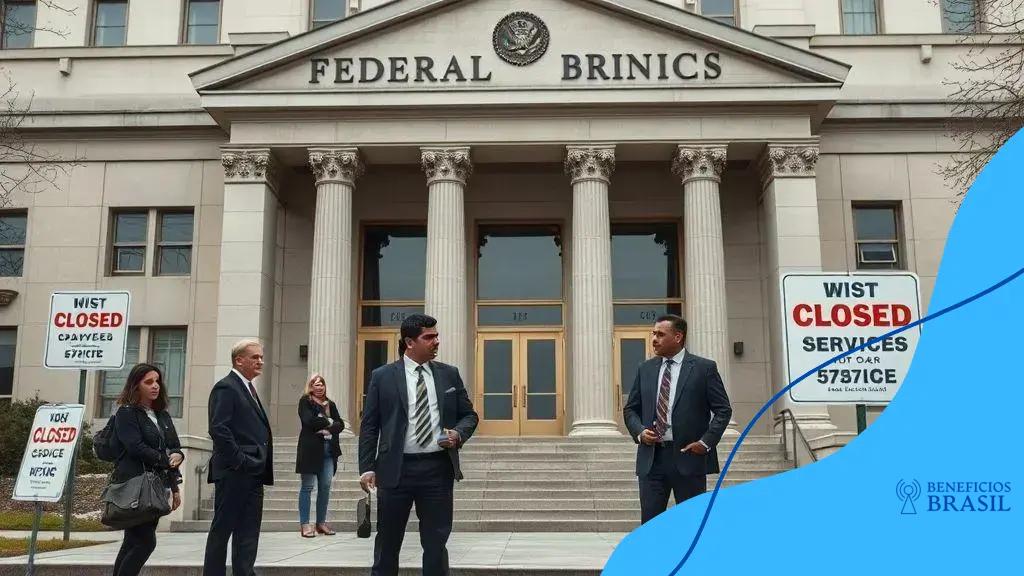
The immediate effects of a government shutdown on federal employees and services can be significant and alarming. When the government halts operations, many federal workers face uncertainty and anxiety about their jobs.
Impact on Federal Employees
During a shutdown, a large number of federal employees are either furloughed or required to work without pay. This situation can lead to serious financial stress for many families. Essential employees, such as those in law enforcement or emergency services, are usually required to work, creating a disparity in treatment.
- Furloughs: Many federal workers are sent home temporarily without pay.
- Unpaid work: Certain essential employees must continue working but won’t receive pay until the shutdown ends.
- Job security: Employees may worry about the long-term impacts of shutdowns on their positions.
These repercussions can affect morale and productivity in the workplace. Anxiety about the future can lead to lowered job satisfaction and increased turnover in federal agencies.
Effect on Services
Public services are also deeply affected. When the government is shut down, many programs close their doors, impacting citizens. Essential services such as national parks, museums, and various agencies may shut down operations entirely.
Critical programs, like social security and food assistance, may experience delays, leaving vulnerable populations in a lurch. Additionally, federal contractors may also be impacted, leading to supply chain disruptions.
- National parks: Many close entirely, preventing access for visitors.
- Government funding: Programs reliant on federal funding may halt, affecting services to the public.
- Social services: Delays in benefits can worsen the financial situation for those depending on them.
As a result, the community faces challenges that can linger even after a shutdown is resolved, stressing the need for stability in government operations.
How a government shutdown impacts the economy
A government shutdown has significant effects on the economy, impacting various sectors and communities across the nation. These shutdowns disrupt not only government operations but also the broader economic landscape.
Immediate Economic Disruptions
One of the most noticeable impacts during a shutdown is the immediate disruption to federal spending. When the government halts operations, contracts with private companies are often suspended, affecting jobs and revenues. This creates a ripple effect that extends into local economies, as businesses that rely on government contracts face uncertainty.
- Contractor layoffs: Many businesses face layoffs as government contracts are put on hold.
- Reduced consumer spending: Federal employees who are furloughed tend to cut back on spending, affecting local retailers.
- Loss of income: The absence of paychecks for numerous federal employees can lead to decreased spending power.
This rapid contraction of cash flow can stall local businesses and increase the overall strain on the economy, undermining growth.
Long-term Economic Consequences
Beyond the immediate effects, government shutdowns can result in long-term repercussions for the economy. Prolonged interruptions may lead to lasting damage in public trust and investor confidence.
People may become wary of future investments, and businesses might hesitate to expand operations due to political uncertainty. For instance, delays in projects can postpone significant infrastructure investments, leading to deterioration in essential services.
- Investor hesitation: Uncertainty can deter investments from both individuals and businesses.
- Project delays: Key projects can face extended timelines, affecting overall economic growth.
- National credit rating: Frequent shutdowns risk the nation’s creditworthiness, leading to higher borrowing costs.
The widespread economic implications can hinder progress for years, emphasizing the importance of stable governance. As debates over budget allocations and policies continue, the resulting shutdowns highlight significant consequences for economic health.
Alternatives to avoid future shutdowns

Finding alternatives to prevent future government shutdowns is vital for ensuring stability in federal operations. Various strategies can be employed to address the root causes of shutdowns and improve negotiations.
Negotiation Strategies
Effective negotiation is essential. Lawmakers need to engage in constructive dialogue that promotes compromise rather than divisiveness. By focusing on shared goals and open communication, parties can work together to develop agreements that satisfy both sides. Employing experienced moderators can also assist in keeping discussions productive.
- Regular meetings: Establish consistent communication among key stakeholders to keep negotiations active.
- Focus on bipartisan solutions: Encourage cooperation between both major parties to reach common ground.
- Set clear deadlines: Implement timelines for reaching budget agreements to reduce last-minute standoffs.
Such techniques can lay a foundation for building trust and reducing the likelihood of future shutdowns.
Long-term Budget Planning
Another alternative involves creating robust and long-term budget frameworks. Having a well-thought-out budget plan helps prevent disputes over funding priorities. Implementing a multi-year budgeting process can provide predictability and stability.
When Congress can agree on long-term funding solutions, it lessens the chances of shutdowns due to last-minute budget debates. Examples of such plans could involve:
- Automatic continuing resolutions: Allow funding to continue automatically if no new budget is passed.
- Regular reassessments: Schedule evaluations of budget allocations to ensure they meet current needs.
- Engage public input: Solicit feedback from citizens to align budget priorities with community needs.
Enhanced planning and public engagement can help create a more stable fiscal environment that minimizes conflicts.
Lastly, fostering transparency within government processes can encourage accountability and build public trust. When citizens see how their tax dollars are allocated, they are more likely to support the government’s decisions. This public engagement can further motivate lawmakers to reach agreements before uncertainties arise.
Public response and advocacy during shutdowns
Public response and advocacy during government shutdowns play a crucial role in shaping the outcomes of these crises. Citizens often become more vocal about their concerns, pushing for swift resolutions to funding issues.
Citizen Activism
During a shutdown, numerous advocacy groups and concerned citizens come together to lobby for action. They recognize the importance of raising awareness about the effects of shutdowns on federal employees and essential services. This activism can take many forms, including protests, social media campaigns, and petitions.
- Protests and demonstrations: People gather to express their frustration and demand that lawmakers reach an agreement.
- Social media campaigns: Activists use platforms like Twitter and Facebook to spread their message and connect with a wider audience.
- Petitions: Online petitions can quickly gain traction and show lawmakers the public’s demand for change.
These actions can put pressure on decision-makers to take quick action to resolve the issues causing the shutdown.
Impact of Communication
Effective communication is vital for public advocacy during shutdowns. Clear and compelling narratives about how the shutdown impacts real lives can help rally support. Individuals sharing their stories through traditional media, social channels, and community forums can humanize the effects of government inaction.
Additionally, organized communication efforts allow advocacy groups to create informative materials that outline the consequences of the shutdown. By simplifying complex issues, they help the public understand what is at stake.
- Stories of hardship: Sharing personal experiences can illustrate the human impact of government decisions.
- Informational resources: Providing easy-to-understand materials can help people grasp the implications of the shutdown.
- Engagement strategies: Encouraging community members to participate fosters a sense of unity.
By maintaining a robust public response and leveraging communication strategies, citizens can advocate for meaningful change and work towards preventing future government shutdowns.
FAQ – Questions About Government Shutdowns and Their Impact
What happens to federal employees during a shutdown?
Many federal employees may be furloughed or required to work without pay, leading to financial stress for them and their families.
How do government shutdowns affect public services?
Shutdowns can lead to the closure of national parks, delays in social services, and disruptions in essential programs that the public relies on.
What role does public advocacy play during shutdowns?
Public advocacy helps raise awareness and put pressure on lawmakers to reach an agreement, often through organized protests and social media campaigns.
What can be done to prevent future government shutdowns?
Encouraging effective negotiation, creating long-term budget plans, and fostering transparency can help minimize the risk of future shutdowns.
Autor