Election 2025 news: What you need to know now

Staying updated on election news involves following reliable news sources, utilizing social media, and engaging with newsletters to ensure you are informed about candidates, voting methods, and important issues before election day.
Election 2025 news is making waves as candidates gear up for what promises to be a pivotal moment in politics. Curious about how these developments could impact your daily life? Let’s dive in.
Overview of the election process
Understanding the election process is essential for every citizen. It helps us grasp how our voices are heard and counted during elections. This overview covers the key steps involved in getting from initial planning to the final results.
Steps in the Election Process
There are several critical steps in the election process:
- Voter registration: Eligible voters must register to participate.
- Candidates declare: Individuals officially announce their intent to run for office.
- Primaries and caucuses: These events help determine the nominees for the general election.
- The general election: Voters cast their ballots to choose their preferred candidates.
The timeline for these steps can vary by state, but knowing these phases can empower voters. As we dig deeper, it’s fascinating to see how each component plays a role in shaping our democracy.
How Votes Are Counted
After the general election, the counting of votes begins. This process is crucial to ensure every vote matters. Typically, election officials work to tally the results swiftly and accurately.
There are many methods for counting votes, depending on the technology in use. Some common methods include:
- Optical scan systems: Voters mark their choices on paper ballots, which are then scanned and tallied.
- Electronic voting machines: These devices record votes electronically for faster counting.
- Mail-in ballots: Votes cast by mail must be verified and counted after the election.
As results come in, they are reported to the public through various channels, keeping everyone informed about the electoral outcomes.
Key candidates and their platforms

In the upcoming election, understanding the key candidates and their platforms is vital for informed voting. Each candidate presents unique ideas and visions that could shape the future of the country.
Main Candidates to Watch
This election cycle features a mix of established politicians and fresh faces. Here are some of the candidates that have gained significant attention:
- Candidate A: Known for a focus on economic reform and healthcare access.
- Candidate B: Aiming to improve education and climate policies.
- Candidate C: Advocating for social justice and community engagement.
- Candidate D: Promoting national security and strong foreign policy.
Each candidate’s approach offers voters a distinct choice in shaping national priorities.
Understanding Their Platforms
It’s crucial to delve into what each candidate stands for. Their platforms detail their plans and how they intend to address major issues:
- Economy: Plans for job growth and addressing inflation without compromising social programs.
- Healthcare: Approaches to expand access and affordability for all citizens.
- Education: Strategies for enhancing public education and making college more attainable.
- Environment: Policies designed to combat climate change and promote sustainability.
By comparing candidates’ platforms, voters can make informed decisions based on which issues matter most to them. This election is about choosing the future values and responsibilities we want to embrace as a society.
Important issues shaping the election
Several important issues are shaping the upcoming election. Understanding these topics can guide voters in making informed decisions at the polls. Each issue resonates with different segments of society, making them essential to address.
Key Issues to Consider
As we approach election day, here are some significant issues to keep an eye on:
- Healthcare: Access to affordable healthcare remains a top concern for many voters. Discussions revolve around extending coverage and reducing costs.
- Economy: Voters are focused on job growth, inflation control, and economic recovery in a post-pandemic world.
- Climate Change: Addressing environmental issues and promoting sustainability have become critical topics, especially among younger voters.
- Education: The state of public education, student loan debt, and access to higher education are pivotal for families.
Each of these issues not only influences individual voters but also reflects broader societal values.
Impact of Social Issues
In addition to traditional policy matters, social issues play a significant role in shaping voter sentiment. Topics like racial equality, gender rights, and gun control are increasingly coming to the forefront. Many candidates are addressing these issues in their campaigns, appealing to a more progressive base.
For many voters, these issues are personal and impact their daily lives directly. As these concerns gain momentum, they can switch the electoral landscape and influence campaign strategies.
Every election has defining themes, and this one is no different. Engaging in discussions about these important issues ensures that all voices are heard, and the priorities of the electorate are considered.
Voting methods and legislation
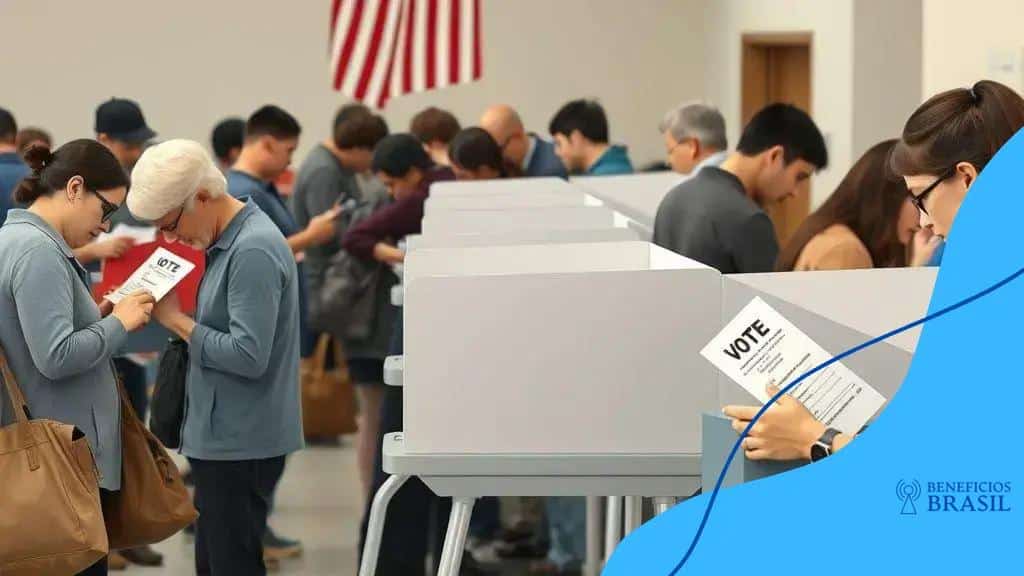
Understanding voting methods and legislation is crucial for participating effectively in elections. These methods have evolved to ensure that every vote counts and that the process is fair for all citizens.
Types of Voting Methods
Voters can access several methods to cast their votes. Here are some common options:
- In-person voting: This traditional method allows voters to cast their ballots on election day at designated polling places.
- Early voting: Many states permit early voting, where individuals can vote ahead of election day to avoid long lines.
- Mail-in voting (absentee voting): Voters can request a ballot to fill out at home and mail it back. This is convenient for those unable to vote in person.
- Electronic voting: Using electronic machines, voters can cast their votes digitally, making the process quicker.
Each method has its benefits, catering to different needs and preferences among voters.
Important Legislation Impacting Voting
Legislation also plays a significant role in shaping how voting occurs. Specific laws govern various aspects of the election process:
- Voter ID laws: Some states require voters to present identification before casting their ballots.
- Voting Rights Act: This landmark legislation aims to protect against racial discrimination in voting practices.
- Mail-in ballot regulations: States have different rules about mail-in voting, including deadlines for requesting and returning ballots.
- Redistricting laws: These laws determine how voting districts are drawn, which can affect election outcomes.
Staying informed about these methods and legislation is vital. Voters must know their options and the rules governing them. This knowledge empowers citizens to participate actively in the democratic process.
How to stay updated on election news
Staying updated on election news is essential for informed voting. With various sources of information, knowing where to look can help you keep track of the latest developments.
Reliable News Sources
Turn to credible news outlets that provide thorough coverage of elections. Here are some options:
- Major newspapers: National and local newspapers often have dedicated sections for election coverage.
- Television news: News channels usually report on significant electoral events and updates frequently.
- Online news websites: Websites like CNN, BBC, and others offer real-time updates, articles, and analysis on elections.
- Podcasts: Many political podcasts deliver insights and discussions about ongoing election topics.
These platforms can provide in-depth analysis to help you understand the complex landscape of the election.
Utilizing Social Media
Social media platforms are another excellent way to stay informed. By following reputable organizations and journalists, you can receive quick updates. Remember to verify the information you find, as not all sources are reliable.
Engaging with discussions on platforms like Twitter and Facebook can offer various perspectives on the election. Additionally, hashtags related to the election can help you find relevant posts.
Another great option for updates is to subscribe to newsletters. Many news organizations send regular emails with the latest election stories, making it easy to stay informed. With newsletters, you can receive curated content delivered directly to your inbox.
Being proactive about how you consume information can greatly enhance your understanding of the electoral process. By using these tools, you can ensure that you are well-equipped when election day arrives.
Staying informed about the election is essential for making your voice heard. By understanding the key candidates, important issues, and voting methods, you can make an informed decision. Use reliable news sources, leverage social media, and remain proactive in your information gathering. Remember, every vote counts, so be ready to participate in the election and support the change you want to see!
FAQ – Frequently Asked Questions About the Upcoming Election
What are the main voting methods available?
You can vote in-person, early, by mail-in ballot, or using electronic voting machines, depending on your state.
How can I stay updated on election news?
Follow reliable news outlets, subscribe to newsletters, and engage with reputable social media accounts for the latest information.
Why is it important to know the candidates’ platforms?
Understanding candidates’ platforms helps you make informed decisions by knowing how their policies will affect issues you care about.
What should I do if I receive a mail-in ballot?
Fill it out carefully, ensure you follow the instructions, and return it before the deadline to ensure your vote counts.
Autor