Credit card rewards: maximize your benefits today

Credit card rewards allow users to earn benefits like cash back, points, or travel miles by using their cards for purchases, and maximizing them involves understanding terms, utilizing them for everyday expenses, and avoiding common mistakes.
Credit card rewards are a smart way to earn perks while spending. Have you ever considered how your daily purchases could translate into cash back or travel points? Let’s dive into maximizing these benefits.
Understanding credit card rewards programs
Understanding credit card rewards programs can seem overwhelming, but it’s simpler than it looks. These programs help you earn advantages for every dollar spent. With the right knowledge, you can maximize your returns.
What Are Credit Card Rewards?
Credit card rewards are incentives offered by banks or credit card companies. They reward you for using your card to make purchases. Rewards can come in various forms, including points, cash back, or travel miles. Each type has unique benefits.
Types of Rewards
Choosing the right type of reward is crucial for getting the most from your spending.
- Cash Back: Earn a percentage back on every purchase.
- Points: Accumulate points for specific rewards like gift cards or products.
- Travel Miles: Redeem miles for flights, hotel stays, and travel experiences.
When selecting a credit card, consider which reward type aligns with your lifestyle. For instance, if you travel often, a card with travel miles is likely a better fit. Conversely, if you prefer immediate returns, a cash back card could be more appealing.
Reward rates can vary widely among different cards. Some cards offer higher rewards in specific categories, like groceries or gas. Evaluating these categories can allow you to choose a card that complements your spending habits.
Another important factor is the annual fee. While some cards offer lucrative rewards, they may come with high fees that could negate the benefits. Assess whether the rewards you earn will outweigh the cost of the card.
It’s also wise to review the redemption options. Some programs may restrict how you can use your rewards, while others offer more flexibility. For example, being able to use points for merchandise versus cash back can make a significant difference.
In conclusion, understanding credit card rewards programs requires evaluating what type of rewards best suit your needs, the rate of return, and the redemption options available. By being informed, you can ensure that you maximize the benefits of your spending.
Types of rewards: cash back, points, and miles
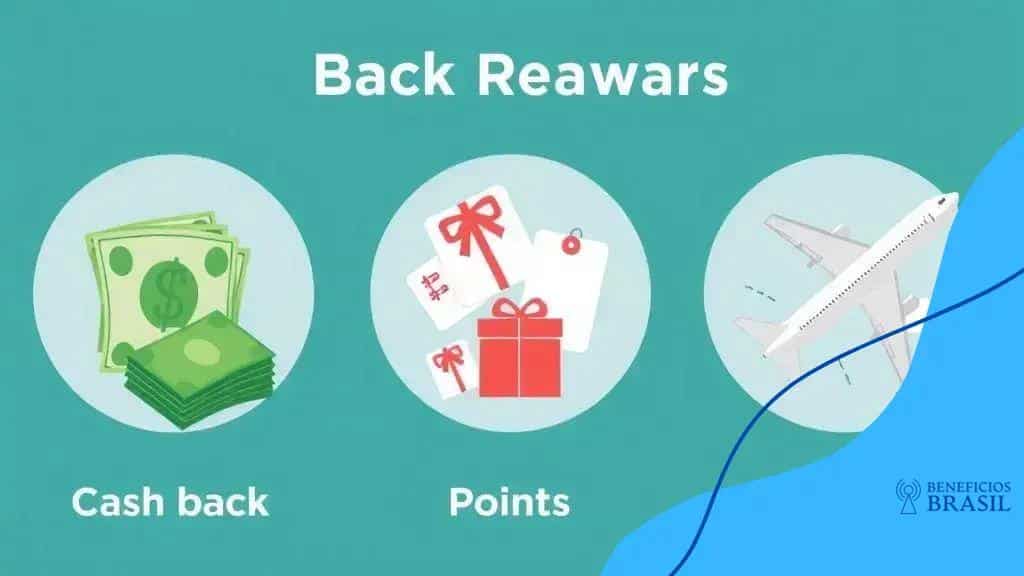
There are several types of credit card rewards available, and understanding each can help you choose the best one for your lifestyle. The most common types include cash back, points, and miles. Each type has unique features and benefits that can enhance your spending experience.
Cash Back Rewards
Cash back rewards give you a percentage of your spending back as cash. For example, if you spent $100 and the cash back rate is 1%, you earn $1. This type of reward is straightforward and can be applied directly to your billing statement or bank account.
- Easy to Understand: Cash back offers simple rewards calculation.
- No Restrictions: Use cash back however you like.
- Daily Use: Ideal for everyday purchases like groceries and gas.
Cash back offers are popular because they provide immediate and flexible benefits. However, they may not yield as high a reward for specific categories compared to other types.
Points Rewards
Points systems allow you to earn points for every dollar spent. Later, these points can be redeemed for various rewards such as gift cards, merchandise, or even discounts on travel. The value of points can vary depending on how they are redeemed.
- Variety of Options: Points can be used for many different rewards.
- Best for Splurge Rewards: Great for purchasing special items.
- Bonus Points: Some cards offer extra points for specific categories like dining.
Points programs often have tier systems, letting cardholders earn more points based on their spending habits. This can lead to significant savings in the long run.
Miles Rewards
Miles rewards programs focus on travel. You earn miles for each dollar spent, which can be redeemed for flights, hotel stays, or car rentals. If you are a frequent traveler, this type can be very rewarding.
- Travel Benefits: Ideal for those who prioritize travel rewards.
- Partnerships: Many programs have airline partnerships for better deals.
- Exclusive Offers: Frequent travelers often get access to exclusive lounges and deals.
Regardless of the type of rewards you choose, consider how often you will use your card and what rewards will be the most beneficial for you. Understanding the differences between cash back, points, and miles helps you make an informed decision based on your spending behavior.
How to choose the best credit card for rewards
Choosing the best credit card for rewards can feel like a daunting task due to the many options available. By focusing on a few key factors, you can simplify your decision-making process and maximize your benefits.
Assess Your Spending Habits
Start by analyzing how you spend your money. Do you spend more on groceries, travel, or gas? Understanding your spending patterns allows you to select a card that offers the highest rewards based on your habits.
- Grocery Shopping: Look for cards offering bonus points or cash back on grocery purchases.
- Travel: Consider cards that provide travel miles or points that are redeemable for flights and hotels.
- Dining Out: Some cards offer elevated rewards for restaurant spending.
The better you know where your money goes each month, the easier it will be to pick the right credit card.
Compare Reward Structures
Not all rewards are created equal. Some cards offer a flat rate across all purchases, while others have tiered systems, offering higher rewards for specific categories.
- Flat Rate: Simplifies earning rewards as you get the same percentage back on every purchase.
- Tiered Rewards: Earn different percentages based on where you spend, providing potential for greater earnings.
- Sign-Up Bonuses: Many cards offer attractive bonuses for new members who meet spending requirements within a certain period.
Understanding these structures can significantly impact how much you earn and where you spend.
Look for Additional Benefits
Many credit cards come with extra perks that can enhance your experience. These might include features like travel insurance, price protection, and access to exclusive events.
Consider the benefits that are important to you. For frequent travelers, having travel insurance or no foreign transaction fees can provide peace of mind and save money. Similarly, if you enjoy shopping, extended warranties or purchase protection might be worthwhile.
Finally, pay attention to the annual fees and interest rates associated with the card. While some cards offer excellent rewards, high fees can offset those benefits. Striking a balance between rewards and costs is important.
Choosing the right credit card for rewards requires careful consideration. Taking the time to assess your spending, compare reward structures, and evaluate additional benefits will help ensure you select the best card to suit your needs.
Tips for maximizing your credit card rewards

Maximizing your credit card rewards requires strategic planning and smart spending. By using some effective tips, you can ensure that you are getting the most out of your card.
Know Your Card’s Rewards Structure
The first step is to fully understand the rewards structure of your credit card. Some cards offer higher rewards for specific categories such as groceries, gas, or dining. Knowing these categories allows you to align your spending wisely.
- Prioritize Categories: Focus your spending on categories that earn the most rewards.
- Keep Track: Regularly check how many rewards you are earning in each category.
- Limit Spending: Avoid unnecessary purchases just to earn rewards.
By keeping your purchases within these high-reward categories, you can rack up points or cash back much faster.
Use Your Card for Routine Expenses
Another effective way to boost your rewards is by using your credit card for routine monthly expenses. Paying bills, groceries, or subscriptions with your card can contribute to your rewards accumulation.
Remember, always pay off your balance in full each month to avoid interest charges. This way, you do not lose the value of your rewards gained through spending. Setting up automatic payments can also ensure you never miss a payment and keep earning rewards effortlessly.
Take Advantage of Sign-Up Bonuses
Many credit cards offer attractive sign-up bonuses for new cardholders. These bonuses often require you to spend a certain amount within the first few months. If you plan your spending accordingly, you can meet these requirements and enjoy the bonus.
- Check Terms: Always read the fine print to understand what spending is required.
- Combine Expenses: If you have large expenses coming up, use them to help meet the bonus requirement.
- Set Alerts: Use reminders to track your progress towards the sign-up bonus.
By keeping these factors in mind, you can make trust that you are leveraging your credit card to its fullest potential.
Redeem Rewards Wisely
When it comes time to redeem your rewards, be strategic. Different rewards have different values, and some may offer better redemption options than others.
For example, points redeemed for travel may have a higher value compared to cash back. Always compare redemption options to maximize the value of your rewards. Additionally, watch for promotions that allow you to earn more when redeeming your points for specific purchases.
Using these strategies will help you make the most of your credit card rewards, turning your everyday spending into valuable benefits.
Common mistakes to avoid with credit card rewards
Avoiding common mistakes with credit card rewards can greatly improve your ability to earn and redeem benefits effectively. Many cardholders make oversights that can diminish the value of their rewards, so being aware of these pitfalls is essential.
Not Understanding the Terms
One of the biggest mistakes people make is not fully understanding the terms and conditions of their rewards program. Details about earning potential, redemption options, and expiration of points can vary significantly between cards.
- Read the Fine Print: Always read the terms before signing up.
- Know Expiration Dates: Be aware of when your points or rewards will expire.
- Understand Bonus Structures: Each card may reward you differently based on your spending habits.
Failing to grasp these essential details can lead to missed opportunities to maximize your rewards.
Using Your Card Only for Large Purchases
Another common mistake is limiting use of the credit card to large purchases just to earn rewards. While big spending can yield substantial rewards, everyday purchases also count towards earning points or cash back.
By using your card for regular expenses like groceries, gas, or online shopping, you can accumulate rewards faster. Just remember to pay off your balance in full every month to avoid interest charges. This helps keep your rewards profit-driven.
Neglecting to Redeem Rewards
Some cardholders accumulate points but neglect to redeem them. It is important to actively manage and redeem your rewards. Keeping track of your rewards can lead to lost opportunities.
- Set Reminders: Use calendar alerts to remind yourself about redemption options.
- Use Your Rewards: Actively look for ways to use your rewards, whether for travel, gift cards, or discounts.
- Stay Updated: Rewards programs may introduce new options or special promotions that you don’t want to miss.
Actively monitoring your rewards ensures you are making the most of what you have earned.
Ignoring Annual Fees
High annual fees can often offset the benefits of a rewards card. While some cards offer outstanding perks, they may also come with a hefty fee.
It’s important to evaluate whether the rewards you earn justify the cost of the card. If the benefits do not outweigh the fees, consider switching to a card with lower or no annual fees but still offers good rewards.
By avoiding these mistakes, you can significantly enhance your experience with credit card rewards and ensure that you are making strategic decisions that maximize your benefits.
FAQ – Common Questions About Credit Card Rewards
What are credit card rewards?
Credit card rewards are benefits earned by using your card for purchases, which can include cash back, points, or travel miles.
How can I maximize my credit card rewards?
You can maximize your rewards by understanding your card’s structure, using it for daily expenses, and taking advantage of sign-up bonuses.
What common mistakes should I avoid?
Common mistakes include not understanding your card’s terms, using it only for large purchases, and neglecting to redeem your rewards.
How often should I check my rewards program?
It’s a good idea to regularly check your rewards program for updates, new redemption options, and ways to maximize your benefits.
Autor