Community colleges: your gateway to affordable education
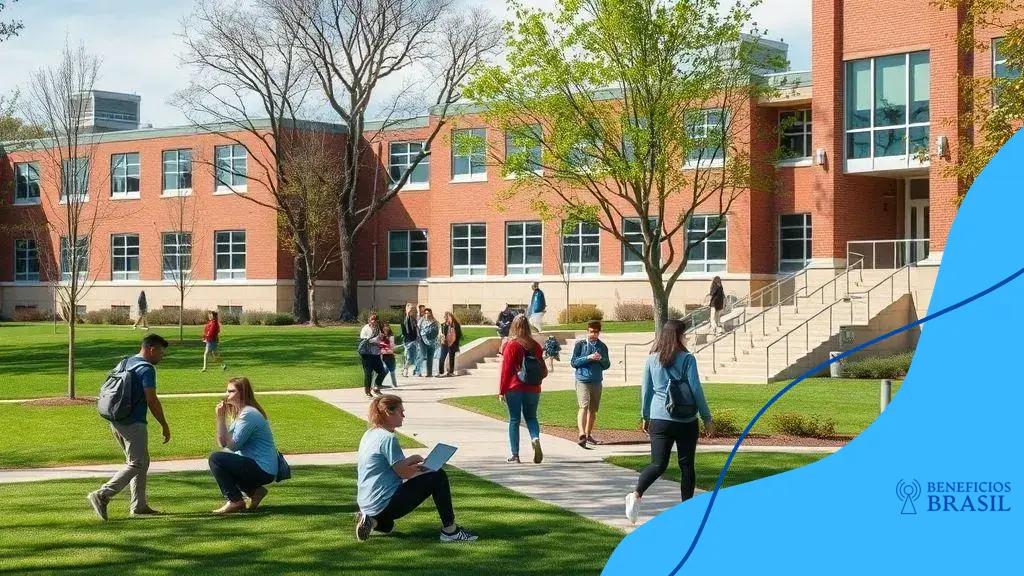
Community colleges provide affordable education, flexible schedules, and strong support for career advancement, making them an excellent choice for students seeking a path to higher education or skill development.
Community colleges are an excellent choice for those seeking affordability and flexibility in education. Community colleges provide a range of programs that cater to diverse career goals, making them a valuable resource for many. Have you ever considered how these institutions could shape your future?
Understanding community colleges
Understanding community colleges is essential for anyone considering a path in higher education. These institutions provide unique opportunities and educational programs tailored to diverse needs.
What are community colleges?
Community colleges are two-year institutions that offer affordable education leading to certificates, diplomas, or associates degrees. They are designed to be accessible to all students, often featuring open admission policies. This makes them a great option for those who want to pursue higher education without the financial burden of traditional four-year universities.
Key features of community colleges
Many students are drawn to the flexibility and supportive environment of community colleges. Here are some key features that set them apart:
- Affordability: Lower tuition rates compared to four-year colleges.
- Flexible schedules: Evening and weekend classes to accommodate working students.
- Transfer options: Agreements with universities allowing for smooth transition to a bachelor’s degree.
- Small class sizes: More personalized attention from instructors.
Additionally, community colleges often provide valuable resources such as academic advising, career services, and tutoring programs. These resources are crucial for helping students succeed in their educational journeys. Many offer vocational training in specific fields that align with job market demands, giving students practical skills for immediate employment.
Furthermore, a diverse array of programs is available at community colleges ranging from arts and humanities to science and technology. This variety allows students to explore their interests and choose a path that aligns with their career aspirations.
Benefits of enrolling in a community college

Enrolling in a community college has numerous benefits that can greatly enhance your educational experience. These institutions are designed to provide accessible education for all students, allowing them to achieve their goals.
Affordability
One of the biggest advantages of community colleges is their affordability. Tuition rates are significantly lower than those at traditional four-year universities. This makes it easier for students to manage their finances while pursuing their education.
Flexible Learning Options
Flexibility is another key benefit of attending a community college. Many programs offer online classes, evening courses, and weekend schedules. This allows students to balance their education with work or family commitments.
- Schedules that fit your life.
- Variety of learning formats: in-person, online, or hybrid.
- Part-time and full-time study options available.
Additionally, community colleges emphasize small class sizes. This enables more personalized attention from instructors and fosters a supportive learning environment. Students can easily interact with their teachers, ask questions, and receive guidance tailored to their needs.
Moreover, many community colleges provide transfer agreements with four-year institutions. This means that students can complete their first two years at a community college and then seamlessly transfer to a university to finish their degree. It’s a smart way to save money on a degree while still receiving quality education.
Program options available at community colleges
Community colleges offer a wide variety of programs that cater to different career paths and interests. These options make community colleges an appealing choice for many students seeking education.
Degree Programs
One of the primary offerings at community colleges is degree programs. Students can earn an Associate’s Degree in numerous fields including:
- Arts and Humanities
- Business Administration
- Health Sciences
- Information Technology
These degrees serve as a strong foundation for students who wish to transfer to a four-year university or enter the workforce quickly.
Certificate Programs
In addition to degrees, many community colleges provide certificate programs. These programs are typically shorter and focused on specific skills. Common certificate areas include:
- Web Development
- Graphic Design
- Medical Assisting
- Culinary Arts
Certificates can help students gain practical skills in a shorter time frame, making them attractive to those looking to enter new fields with minimal delay.
Continuing Education Opportunities
Community colleges also emphasize continuing education. They offer courses aimed at adults wishing to learn new skills or hobbies, such as:
- Foreign Languages
- Computer Skills
- Personal Finance
This flexibility allows individuals to enhance their knowledge and competencies while juggling work and personal obligations. Overall, the vast array of program options at community colleges caters to diverse student needs, making education more accessible and manageable.
How community colleges support career advancement

Community colleges play a vital role in supporting career advancement for students and working professionals. They provide resources and opportunities that help individuals improve their skills and achieve their career goals.
Career Services
Most community colleges offer comprehensive career services that assist students in various ways. These services often include:
- Resume writing workshops
- Job search assistance
- Interview preparation
- Networking opportunities
By offering these resources, community colleges help students navigate the job market with confidence and prepare them for successful careers.
Internship and Work Experience Programs
Additionally, many community colleges have partnerships with local businesses and organizations. This allows them to provide students with internship and work experience opportunities. These practical experiences are essential as they enable students to:
- Apply classroom knowledge in real-world situations
- Build valuable connections with potential employers
- Develop important workplace skills
Furthermore, participating in internships can enhance a student’s resume, making them a more attractive candidate for future employment.
Moreover, specialized training programs offered by community colleges can boost career advancement. Many colleges provide industry-specific training that aligns with current job market demands, such as:
- Healthcare certifications
- Information technology courses
- Skilled trades programs
Such programs ensure that students acquire the skills needed to succeed in their chosen fields. In this way, community colleges serve as a bridge to better job opportunities and career progression.
Challenges and considerations for community college students
While attending a community college offers many advantages, students may also face certain challenges. Understanding these challenges can help students better prepare for their educational journey.
Finances
Many students worry about finances, even at community colleges, where tuition is lower than at four-year universities. Additional expenses like textbooks, supplies, and transportation can add up quickly. It’s essential for students to budget carefully and explore financial aid options.
Time Management
Balancing school, work, and personal life can be difficult. Many students juggle jobs while taking classes. This requires strong time management skills. Students often need to create schedules that allow them to focus on their studies while also meeting work obligations.
- Set a clear study schedule.
- Prioritize responsibilities.
- Use planners or apps to stay organized.
Furthermore, the flexibility of class schedules at community colleges can also be a double-edged sword. While it provides convenience, it can tempt students to procrastinate.
Academic Support
Some students may find the transition to college-level coursework challenging. Many community colleges offer tutoring and academic support, yet students must seek out these resources. Engaging with instructors and asking for help is crucial for overcoming academic difficulties.
It’s also important for students to be aware of their academic goals. While some may aim to transfer to a four-year university, others might focus on skills for immediate employment.
Lastly, feeling isolated can be an issue. Many community college students do not live on campus, which can lead to a lack of connection with peers. Joining clubs and participating in campus activities can help foster a sense of community and support.
FAQ – Frequently Asked Questions about Community Colleges
What are the main benefits of attending a community college?
Community colleges offer affordable tuition, flexible schedules, and opportunities for career advancement, making them a great choice for many students.
How can community colleges support my career goals?
Community colleges provide resources such as career services, internships, and specialized training programs that help students develop skills for the workforce.
What types of programs are available at community colleges?
Community colleges offer a variety of programs, including associate degrees, certificates, and continuing education courses across many fields.
What challenges do students face at community colleges?
Students may encounter financial concerns, time management issues, and the need for academic support; addressing these challenges is essential for success.
Autor