Biden approval rating: what does it mean for his future?
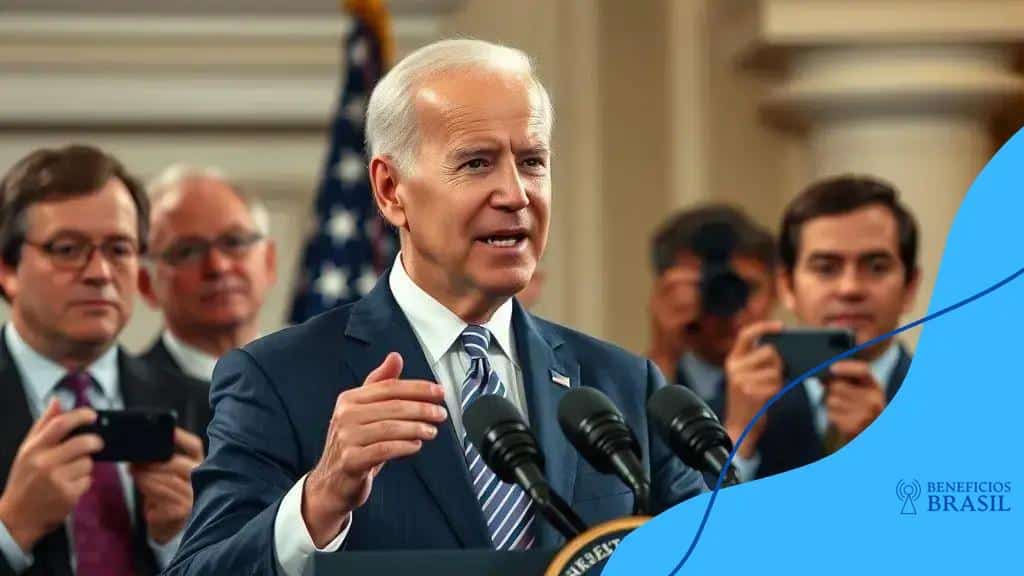
Biden’s approval rating significantly impacts his policy decisions; high ratings can facilitate legislative support, while low ratings may hinder progress and force a shift in focus to more popular issues.
Biden approval rating plays a crucial role in shaping the political landscape. Understanding the nuances behind these numbers can give insights into the public’s sentiment and future electoral outcomes. What do these ratings really tell us about his presidency?
Current state of Biden’s approval rating
The current state of Biden’s approval rating is an essential indicator of his presidency. It reflects how the public perceives his policies and leadership. In recent months, these ratings have experienced fluctuations, influenced by various factors.<\/p>\n
Understanding Biden’s Ratings
\n
Polls show that Biden’s approval rating currently hovers around the mid-40s percent. This number is crucial as it affects his ability to push forward significant legislation. Analysts often look at these ratings to gauge the public mood toward his administration.
\n
Factors Impacting Approval
\n
Several elements can influence how people feel about Biden. Some key factors include:
\n
- \n
- Economic performance and inflation rates
- Handling of major issues like healthcare and climate change
- Public perception of Democratic leadership
\n
\n
\n
\n
As these factors shift, so do the approval ratings. For instance, if the economy improves, his approval might increase. Conversely, setbacks in policy implementation could lead to a drop.
\n
Another important consideration is the approval rating trends leading up to elections. Historically, a president’s rating can play a big role in midterm elections and overall party support. It’s essential for Biden to maintain a favorable rating to bolster Democratic candidates in future races.
\n
Comparative Approvals
\n
When compared to previous presidents at this time in their terms, Biden’s ratings show notable differences. Many factors contribute to this, including unprecedented events and social movements. Understanding these comparisons can offer insights into the unique challenges facing his administration.
\n
In conclusion, the current state of Biden’s approval rating constitutes a vital aspect of political analysis. Its implications stretch beyond simple numbers, resonating with broader societal sentiments and expectations for the future.
Factors influencing Biden’s approval rating
Several factors influencing Biden’s approval rating contribute to how the public views his leadership. These elements can shift rapidly, impacting his popularity and effectiveness as a president.
\n
Economic Conditions
\n
The economy plays a significant role in shaping public opinion. When the economy is stable or growing, approval ratings tend to reflect that positive sentiment. However, rising inflation and unemployment can lead to dissatisfaction. Voter concerns over their financial situation greatly influence how they view Biden’s performance.
\n
Public Health Responses
\n
Another key factor is how the administration handles public health issues, such as the COVID-19 pandemic. Effective responses can enhance approval ratings, while mismanagement can lead to a decline. Public trust in the government’s ability to manage crises affects overall sentiment.
\n
- \n
- Success in vaccine distribution and accessibility
- Transparency in health communication
- Support for healthcare initiatives
\n
\n
\n
\n
Additionally, social issues, including racial justice, climate change, and immigration policies, can influence public perception. As voters respond to these pressing social matters, their feelings about Biden’s handling of them can sway his approval ratings significantly. People want to see action and commitment from their leaders on these topics.
\n
Media coverage also plays a role in shaping perceptions. Positive stories can boost a leader’s image, while negative press can have the opposite effect. The way news outlets report on Biden’s actions and decisions can contribute to public sentiment, impacting how Americans perceive his effectiveness as president.
\n
Political Party Dynamics
\n
The level of support from members of his own party, the Democratic Party, is crucial. If party members feel aligned with his policies and leadership style, approval ratings will likely increase. Conversely, if there is discord or a lack of support, it can create a negative perception among the wider electorate.
\n
Ultimately, multiple interconnected factors shape Biden’s approval rating. Understanding these influences can provide insight into not only his current standing but also potential future challenges he may face as president.
Historical comparison of approval ratings
A historical comparison of approval ratings reveals how different presidents have fared in public perception over time. Understanding these trends sheds light on the dynamics of political power and voter sentiment.
\n
Trends Over Time
\n
Approval ratings have varied widely from one administration to another. For example, presidents like John F. Kennedy saw approval ratings soar during significant events, while others faced steep declines in response to crises. Analyzing these fluctuations helps us understand the factors impacting public opinion.
\n
Recent Comparisons
\n
When comparing Biden’s approval ratings to those of previous presidents at the same point in their terms, some trends become evident. Data shows that many recent presidents started with high approval but encountered challenges that led to declines. For instance, President George W. Bush experienced a spike post-9/11 but saw his ratings drop significantly during the Iraq War.
\n
- \n
- Biden’s current approval ratings are comparable to those of previous presidents facing similar challenges.
- Economic issues often correlate with lower approval ratings across different administrations.
- Public health crises generally have a long-lasting impact on a president’s approval.
\n
\n
\n
\n
As we examine these historical comparisons, it becomes clear that context matters. Events like economic downturns, foreign policy decisions, or national crises influence how presidents are regarded. These ratings do not just reflect the president’s actions but also the public’s perception of those actions in relation to ongoing issues.
\n
Understanding how historical approval ratings compare allows us to better predict potential challenges that Biden might face moving forward. By looking back, we can see patterns that repeat and learn from previous administrations’ successes and failures.
Public opinion trends and analysis

Public opinion trends and analysis provide a window into how citizens feel about current events, policies, and the president’s performance. These trends are essential for understanding the political landscape.
\n
Shifting Perspectives
\n
Over time, public opinion can shift due to various factors, including media coverage, social movements, and economic changes. For instance, a surge in media attention on healthcare can lead to increased public interest and differing opinions on Biden’s policies. This highlights the importance of staying informed on current topics.
\n
Polling Data Insights
\n
Polls are crucial tools for assessing public sentiment. They offer a snapshot of how Americans view the president and his administration. Key insights from recent polls reveal:
\n
- \n
- The majority of Americans are concerned about inflation and economic stability.
- Public trust in government effectiveness can fluctuate based on crisis responses.
- Approval ratings may rise or fall depending on major legislative accomplishments.
\n
\n
\n
\n
Understanding these insights helps us predict future trends. For instance, as economic conditions improve, Biden’s ratings may see a corresponding rise. Conversely, ongoing challenges could lead to continued low approval ratings.
\n
Additionally, social media plays a significant role in shaping public opinion. Platforms like Twitter and Facebook can amplify voices, allowing grassroots movements to influence the narrative surrounding the president. This real-time sharing of information can sway opinions, creating rapid shifts in public sentiment.
\n
By analyzing public opinion trends, we can gain valuable insights into the general mood of the country. It is vital for politicians and policymakers to be in tune with these sentiments, as they can dictate political strategies and influence decisions that impact citizens’ lives.
Impact of approval ratings on policy decisions
The impact of approval ratings on policy decisions is significant in the political landscape. When a president’s ratings shift, it can affect their ability to implement policies or pursue initiatives.
\n
Connection Between Ratings and Legislation
\n
High approval ratings often empower a president to push through important legislation. When the public shows support, lawmakers are more likely to align with the administration’s goals. For example, during times of high approval, Biden might find it easier to advocate for his infrastructure plans or climate initiatives.
\n
Challenges with Low Approval Ratings
\n
On the other hand, low approval ratings can lead to challenges for any administration. When public support wanes, lawmakers may hesitate to back a president’s policies, fearing backlash from constituents. This can lead to stalled bills and a lack of progress on pressing issues.
\n
- \n
- Resistance from Congressional members seeking reelection.
- Difficulty in rallying public support for initiatives.
- Increased pressure to shift focus to popular issues.
\n
\n
\n
\n
Moreover, as approval ratings decline, presidents may be pressured to change their strategies and priorities. This dynamic can create a constant cycle where public perception influences decision-making processes. Politicians often need to carefully consider how their actions might be perceived by the electorate.
\n
Public sentiment also shapes which issues are prioritized. If approval ratings indicate that voters are particularly concerned about healthcare, for instance, a president may shift focus to address those needs rather than less pressing matters. This responsiveness to public opinion helps maintain political viability and voter trust.
\n
In essence, understanding the impact of approval ratings on policy decisions is crucial for any administration. It becomes a balance between leadership vision and the will of the people, ultimately shaping the course of a presidency.
FAQ – Questions about Biden’s Approval Ratings and Policy Impact
How do approval ratings affect policy decisions?
Approval ratings directly influence which policies get prioritized and how easily they can pass through Congress.
What factors can cause fluctuations in approval ratings?
Factors such as economic conditions, public health responses, and media coverage can all impact approval ratings.
Why are public opinion trends important for politicians?
Public opinion trends help politicians understand voter sentiment, which is crucial for making informed decisions and maintaining support.
How can low approval ratings impact an administration?
Low approval ratings can lead to challenges in getting legislation passed and may force the president to shift focus to more popular issues.
Autor